
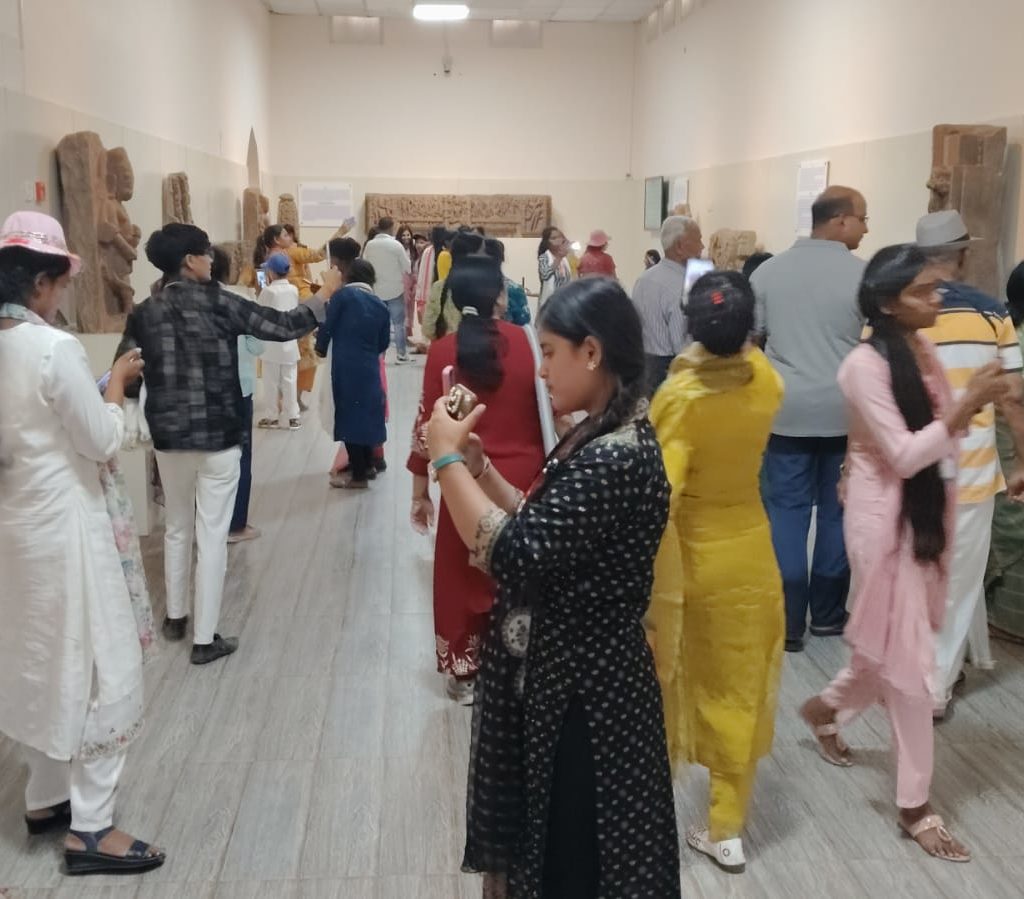
Museums in Varanasi – Discover the Cultural Soul of Banaras
Varanasi, often referred to as the spiritual capital of India, is one of the oldest continuously inhabited cities in the world. While the sacred ghats of the Ganges, ancient temples, and vibrant rituals define its spiritual identity, there is another equally fascinating side of the city that often goes unnoticed—its remarkable museums. These cultural spaces preserve the intellectual, artistic, and historical legacy of Banaras, offering travelers a deeper understanding of the city beyond its religious significance.
Museums in Varanasi serve as silent storytellers, carefully safeguarding centuries of heritage that span across multiple eras—from ancient civilizations and Buddhist history to medieval art and royal traditions. Each museum presents a unique perspective of the region, showcasing rare artifacts such as sculptures, manuscripts, textiles, paintings, coins, and archaeological findings. These collections not only highlight the evolution of Indian art and culture but also reflect the diverse influences that have shaped Varanasi over thousands of years.
One of the most fascinating aspects of exploring museums in Banaras is the diversity they offer. In one place, you can witness relics associated with Lord Buddha’s teachings, while in another, you can step into the grandeur of royal life through preserved palaces and vintage collections. There are also modern museums that use digital technology, interactive exhibits, and immersive storytelling to connect visitors with the city’s traditions in an engaging way. This blend of ancient and contemporary presentation makes Varanasi’s museum landscape truly unique.
For travelers, visiting these museums adds depth and context to the overall Varanasi experience. After witnessing the spiritual energy of the ghats or participating in the Ganga Aarti, exploring a museum allows you to understand the historical roots and cultural richness that have sustained this city for millennia. It transforms a simple visit into a meaningful journey through time, where every artifact has a story and every gallery reveals a hidden layer of Banaras.
Moreover, museums in Varanasi are not just for history enthusiasts—they are equally appealing to art lovers, researchers, photographers, and curious travelers who wish to explore India’s heritage in a structured and informative way. Whether it is the intricate beauty of miniature paintings, the symbolism of ancient sculptures, or the craftsmanship of Banarasi textiles, these museums offer something for everyone.
In recent years, the development of new cultural centers and the restoration of historic sites have further enhanced the museum experience in Varanasi. Visitors can now enjoy well-curated exhibitions, improved facilities, and guided tours that make exploration more accessible and engaging. As a result, museums have become an integral part of modern tourism in Banaras, complementing its spiritual and cultural attractions.
In essence, museums in Varanasi are not merely buildings filled with artifacts—they are living archives of history, culture, and tradition. They provide a rare opportunity to witness the soul of Banaras in a quiet, reflective setting, away from the bustling streets and crowded ghats. For anyone seeking to truly understand the depth and diversity of this timeless city, exploring its museums is an experience that should not be missed.
1. Archaeological Museum, Sarnath – A Treasure of Buddhist Heritage
- Timings : 10:00 A.M. to 5:00 P.M. (Closed on Friday)
Located in the historically significant area of Sarnath, the Archaeological Museum is one of the most important and oldest site museums in India. Established in 1910 by the Archaeological Survey of India, this museum was specifically designed to house and preserve the invaluable antiquities excavated from the nearby Buddhist sites, making it an essential stop for anyone exploring the roots of Buddhism.
Sarnath holds immense spiritual importance as the place where Gautama Buddha delivered his first sermon after attaining enlightenment at Bodh Gaya. This event, known as the “Dharmachakra Pravartana” (Turning of the Wheel of Dharma), marks the beginning of the spread of Buddhist teachings. The museum beautifully complements a visit to the Sarnath ruins by providing historical context and preserving original artifacts discovered at the site.
The most iconic and celebrated exhibit in the museum is the Lion Capital of Ashoka, commissioned by Emperor Ashoka in the 3rd century BCE. This magnificent sandstone sculpture, featuring four majestic lions standing back-to-back, symbolizes power, courage, pride, and confidence. Today, it serves as the official national emblem of India, making it not only an artistic masterpiece but also a symbol of the nation’s identity. The finely polished surface and intricate carvings reflect the advanced craftsmanship of the Mauryan period.
Beyond this centerpiece, the museum houses an extraordinary collection of Buddhist sculptures, many of which belong to the Gupta period—often regarded as the golden age of Indian art. These sculptures depict various forms of the Buddha, Bodhisattvas, and other significant figures, showcasing serene expressions, refined detailing, and spiritual symbolism. The famous Dharmachakra (Wheel of Law) and beautifully carved images of Buddha in preaching posture are among the highlights that captivate visitors.
The galleries also feature ancient inscriptions, fragments of stupas, railings, pillars, and monolithic structures recovered from excavation sites around Sarnath. These relics provide valuable insights into the architectural styles, religious practices, and artistic developments spanning from the 3rd century BCE to the 12th century CE. Each artifact tells a story of devotion, evolution, and cultural exchange that flourished in this sacred region.
The museum is thoughtfully organized into multiple galleries, each dedicated to different categories such as sculptures, architectural remains, and smaller antiquities like terracotta objects, coins, and pottery. The layout allows visitors to follow a chronological journey through time, understanding how Buddhist art and symbolism evolved over centuries.
Another remarkable aspect of the Archaeological Museum is its tranquil and minimalistic ambiance. Unlike crowded tourist spots, the museum offers a calm and contemplative environment, allowing visitors to connect deeply with the spiritual and historical significance of the exhibits. It is an ideal place for those seeking not just knowledge, but also reflection and inspiration.
For travelers visiting Varanasi, a trip to Sarnath and its museum provides a perfect balance to the city’s vibrant and intense spiritual atmosphere. While Varanasi represents the living traditions of Hinduism, Sarnath offers a glimpse into the origins and philosophy of Buddhism. Together, they create a holistic cultural and spiritual journey.
In conclusion, the Archaeological Museum at Sarnath is far more than just a collection of ancient objects—it is a gateway to understanding the profound teachings of Buddha, the legacy of Emperor Ashoka, and the artistic brilliance of ancient India. A visit here enriches your experience of Varanasi by adding depth, history, and a sense of timeless wisdom to your Journey.
2. Bharat Kala Bhavan Museum (BHU) – The Artistic Heart of Varanasi
- Timings : 10:30 A.M. to 4:30 P.M. (Monday-Saturday)
Situated within the prestigious campus of Banaras Hindu University, the Bharat Kala Bhavan Museum stands as the most prominent and comprehensive museum in Varanasi. Established in 1920 and later expanded under the vision of renowned art historian Rai Krishnadas, the museum has grown into one of India’s finest repositories of art, culture, and heritage.
Spread across a spacious and well-organized complex, Bharat Kala Bhavan houses an extraordinary collection of over 100,000 artifacts. These include rare paintings, sculptures, textiles, decorative arts, manuscripts, coins, and archaeological objects that together narrate the vast and diverse story of Indian civilization. The museum is not just a display space—it is an academic and cultural institution that plays a vital role in preserving and promoting India’s artistic legacy.
One of the most celebrated highlights of the museum is its collection of miniature paintings, considered among the best in the country. These paintings represent various schools of Indian art, including Mughal, Rajput, Pahari, and Deccan styles. Each piece is rich in detail, color, and symbolism, depicting themes ranging from royal court scenes and mythology to everyday life and nature. Art enthusiasts and scholars from around the world visit the museum specifically to study these masterpieces.
The museum is thoughtfully divided into several galleries, each dedicated to a specific category of art and history. The Archaeological Gallery features ancient sculptures, terracotta objects, and relics dating back to early historic periods, offering insight into the evolution of Indian religious and artistic traditions. The Sculpture Gallery showcases exquisite stone and bronze idols of Hindu and Buddhist deities, reflecting the spiritual depth and craftsmanship of ancient India.
Another fascinating section is the Textile Gallery, which displays a rich variety of traditional Indian fabrics, including the world-famous Banarasi silk. Visitors can admire intricate weaving techniques, embroidery styles, and historical garments that highlight India’s long-standing textile heritage. This section is particularly valuable for those interested in fashion, craftsmanship, and cultural traditions.
The Manuscript and Literary Section preserves rare handwritten texts, some of which are centuries old. These manuscripts cover a wide range of subjects including religion, philosophy, literature, and science, providing a glimpse into India’s intellectual and scholarly past. Many of these works are written in Sanskrit, Persian, and other classical languages, making them invaluable for research and study.
In addition to its permanent collections, Bharat Kala Bhavan also hosts temporary exhibitions, academic programs, and cultural events. These initiatives help in engaging visitors and keeping the museum experience dynamic and relevant. The museum’s association with Banaras Hindu University further enhances its academic importance, attracting students, researchers, and historians from across the globe.
What truly sets Bharat Kala Bhavan apart is its ability to present India’s cultural journey in a cohesive and meaningful way. From ancient artifacts to medieval art and modern collections, the museum offers a chronological and thematic exploration of the country’s heritage. It allows visitors to understand how art, religion, and society have evolved over thousands of years.
The peaceful and scholarly environment of the museum adds to its charm. Unlike crowded tourist attractions, it provides a calm and immersive experience where visitors can spend time observing, learning, and reflecting. Whether you are an art lover, a history enthusiast, or a curious traveler, Bharat Kala Bhavan offers a deeply enriching experience.
In conclusion, Bharat Kala Bhavan Museum is not just a highlight of Varanasi but a national treasure that embodies the artistic soul of India. A visit here transforms your journey into a cultural exploration, offering insights that go far beyond the spiritual and religious dimensions of Banaras. It is an essential destination for anyone seeking to truly understand the depth, diversity, and beauty of Indian heritage.
3. Ramnagar Fort Museum (Saraswati Bhawan) – A Glimpse into Royal Banaras
- Timings : 10:00 A.M. to 5:00 P.M. (every day)
Located on the eastern bank of the Ganges in Ramnagar, the Ramnagar Fort Museum—also known as Saraswati Bhawan—is one of the most fascinating heritage attractions in Varanasi. Housed within the historic Ramnagar Fort, this museum offers a rare and authentic glimpse into the royal lifestyle of the erstwhile Maharajas of Banaras.
The fort itself was built in the 18th century by Maharaja Balwant Singh and continues to be the residence of the royal family of Kashi. Constructed in a blend of Mughal and Indian architectural styles using sandstone, the fort overlooks the sacred Ganges and stands as a symbol of regal elegance and historical continuity. Walking through its courtyards and corridors feels like stepping back in time to an era of kings, ceremonies, and grandeur.
Inside the fort, the Saraswati Bhawan Museum preserves an extensive and eclectic collection of royal artifacts that reflect the opulence and refined lifestyle of the Banaras royalty. One of the major highlights is the impressive display of vintage cars, including rare models that were once used by the royal family. These classic automobiles, though aged, still exude a timeless charm and offer insight into the evolving tastes and status symbols of Indian nobility during the colonial period.
Equally captivating is the collection of royal costumes and textiles, which includes intricately designed garments worn by kings and queens. These outfits, often made of fine silk and adorned with zari work, showcase the luxurious fashion and craftsmanship of their time. Visitors can also see ceremonial dresses used during festivals and royal events, reflecting the cultural richness of Banaras traditions.
The museum also houses a remarkable array of weapons and armory, including swords, shields, antique guns, and daggers. These items highlight not only the martial traditions of the royal family but also the artistic detailing that went into crafting them. Many of the weapons feature ornate carvings and embellishments, blending functionality with artistry.
Another intriguing section of the museum is dedicated to ivory artifacts, decorative objects, and rare manuscripts. These pieces represent the intellectual and artistic pursuits of the royal court. The manuscripts, some of which are centuries old, provide valuable insights into literature, religion, and administration during the royal era.
One of the most unique and talked-about attractions within the museum is the ancient astronomical clock. This extraordinary timepiece is not just a clock but a scientific instrument that displays multiple readings simultaneously, including time, date, day of the week, lunar phases, and even celestial movements. Its complexity and precision reflect the advanced knowledge of astronomy and engineering possessed during that period, making it a true marvel for visitors.
What makes the Ramnagar Fort Museum especially special is its raw and authentic atmosphere. Unlike modern, highly polished museums, this space retains an old-world charm where exhibits are displayed in their original setting. While some areas may appear less curated, this authenticity adds to the experience, giving visitors a genuine feel of exploring a living royal residence rather than a conventional museum.
The fort is also closely associated with the famous Ramlila of Ramnagar, a grand cultural event that takes place every year and attracts thousands of visitors. During this time, the fort and its surroundings come alive with traditional performances, further enhancing its cultural significance.
Visiting the Ramnagar Fort Museum offers a refreshing contrast to the spiritual intensity of Varanasi’s ghats and temples. It introduces travelers to the royal and cultural history of the region, providing a more holistic understanding of Banaras. The panoramic views of the Ganges from the fort, combined with its historical ambiance, make the experience even more memorable.
In conclusion, the Ramnagar Fort Museum (Saraswati Bhawan) is not just a collection of royal artifacts—it is a living testament to the legacy, traditions, and grandeur of the Kashi Naresh. For anyone interested in history, architecture, or royal heritage, this museum is an unmissable part of the Varanasi experience, offering a unique journey into the regal past of this timeless city.
4. Jantar Mantar (Man Singh Observatory) – The Scientific Heritage of Varanasi
- Timings : 6:00 A.M. to 5:00 P.M. (every day)
- Dashashwamedh Ghat Rd, Observatory, Man mandir, Varanasi, Uttar Pradesh 221001
Perched along the banks of the Ganges near the historic ghats of Varanasi, the Jantar Mantar—also known as the Man Singh Observatory—is a fascinating yet often overlooked heritage site that reflects India’s deep-rooted knowledge of astronomy. Built in the early 18th century by Maharaja Jai Singh II of Jaipur, this observatory is part of a larger network of astronomical centers established across India, including those in Jaipur, Delhi, Ujjain, and Mathura.
The Varanasi observatory was constructed on the rooftop of the historic Man Mahal, a riverside palace originally built by Raja Man Singh of Amber. Its strategic location along the Ganges not only offers stunning views but also provided an ideal vantage point for celestial observations during its time.
Unlike modern observatories equipped with telescopes and digital instruments, Jantar Mantar is an open-air astronomical laboratory composed of large stone structures designed for precise calculations. These instruments were built using advanced mathematical principles and were capable of measuring time, predicting eclipses, tracking planetary movements, and determining celestial coordinates with remarkable accuracy.
Among the key instruments at the observatory is the Samrat Yantra, a massive triangular sundial used to measure local time with impressive precision. Another important instrument is the Digansha Yantra, which helps determine the azimuth (direction) of celestial bodies. The Chakra Yantra and other devices were used to study the position of the sun and stars, making the observatory a center for scientific learning and astronomical research in its era.
What makes Jantar Mantar truly extraordinary is the vision of Maharaja Jai Singh II, who was not only a ruler but also a passionate astronomer. Dissatisfied with inaccuracies in existing astronomical tables, he commissioned these observatories to improve calculations and promote scientific accuracy. His work significantly contributed to the development of astronomy in India and demonstrated a rare blend of science, architecture, and innovation.
The structures at Jantar Mantar are built with stone and masonry, carefully aligned with celestial coordinates. Their design reflects a deep understanding of geometry, trigonometry, and observational astronomy. Even today, these instruments can be used to perform basic astronomical calculations, showcasing the brilliance of ancient Indian science.
Over time, the observatory faced neglect, but in recent years, efforts have been made to restore and preserve it as a cultural and educational site. Today, it is often referred to as an astronomical museum, where visitors can explore the instruments and learn about their functions through guided tours and informational displays.
One of the most appealing aspects of the Man Singh Observatory is its unique setting. Located close to the bustling ghats, it offers a calm and contemplative space where visitors can step away from the crowds and immerse themselves in the intellectual heritage of Varanasi. The combination of historical architecture, river views, and scientific significance creates a truly memorable experience.
For travelers interested in history, science, or architecture, Jantar Mantar provides a refreshing contrast to the religious and spiritual attractions of the city. It highlights a lesser-known dimension of Varanasi—its contribution to scientific thought and knowledge systems.
In conclusion, Jantar Mantar (Man Singh Observatory) is not just a collection of ancient instruments; it is a symbol of India’s advanced scientific achievements and visionary thinking. A visit here offers a rare opportunity to witness how astronomy was practiced centuries ago and to appreciate the ingenuity of a time when science and spirituality coexisted harmoniously in the cultural fabric of Banaras.
5. Kashi Dham Museum – A Modern Window into the Soul of Varanasi
- Timings : 10:00 A.M. to 6:00 P.M. (Tuesday to Sunday)
- Address : K. 20-124/125 Bramhaghat, Rajmandir, Varanasi, Uttar Pradesh – 221001
Located in the sacred city of Varanasi, the Kashi Dham Museum is a contemporary cultural space that offers a unique and immersive introduction to the spiritual and cultural life of Banaras. Unlike traditional museums that primarily display static artifacts, this museum embraces modern storytelling techniques to present the essence of Kashi in a visually engaging and easy-to-understand format. It is especially ideal for first-time visitors who wish to grasp the depth of Varanasi’s heritage in a structured and meaningful way.
The concept behind the Kashi Dham Museum is to bring together the mythology, traditions, rituals, and everyday life of Varanasi under one roof. Through a combination of digital displays, artistic installations, wall murals, and short documentary films, the museum narrates the story of one of the world’s oldest living cities. Each section is designed to provide context to what visitors experience outside—whether it is the sacred ghats, ancient temples, or vibrant streets.
One of the most engaging features of the museum is its interactive exhibits, which allow visitors to connect with the city’s traditions in a dynamic way. Audio-visual presentations explain the significance of important rituals such as the Ganga Aarti, while digital panels showcase the mythology associated with Lord Shiva and the origin of Kashi. These elements help simplify complex spiritual concepts, making them accessible to both domestic and international travelers.
The museum also uses large-scale wall paintings and artistic representations to depict scenes from daily life in Varanasi. From priests performing rituals on the ghats to local artisans weaving Banarasi silk, these visual narratives capture the rhythm and diversity of the city. The use of color, symbolism, and storytelling transforms these displays into a vivid cultural journey.
Another important aspect of the Kashi Dham Museum is its focus on mythological storytelling. It presents the legends associated with Kashi, including its connection to Lord Shiva, the concept of moksha (liberation), and the spiritual importance of the Ganges River. These stories are presented in a way that helps visitors understand why Varanasi holds such a central place in Hindu belief and tradition.
Short films and multimedia presentations further enhance the experience by offering documentary-style insights into festivals, rituals, and the daily lives of people in Banaras. These films often highlight events such as Dev Deepawali, traditional ceremonies, and the cultural practices that define the city’s identity. For visitors with limited time, these visual summaries provide a comprehensive overview of Varanasi’s cultural richness.
The museum’s modern infrastructure and well-curated layout make it a comfortable and informative space to explore. Clear signage, guided pathways, and thematic sections ensure that visitors can navigate the museum आसानी से while following a logical narrative flow. This makes it particularly appealing for families, students, and international tourists who may not be familiar with the cultural context of Varanasi.
What sets the Kashi Dham Museum apart is its ability to bridge the gap between tradition and modernity. While the city itself can feel overwhelming with its intensity and crowds, the museum offers a शांत and organized environment where visitors can pause, reflect, and understand what they are experiencing outside. It acts as a cultural introduction as well as a deeper interpretative space.
For travelers exploring Varanasi, a visit to the Kashi Dham Museum can greatly enrich the overall journey. It provides the background knowledge needed to appreciate the rituals at the ghats, the architecture of temples, and the significance of various cultural practices. In many ways, it prepares visitors to experience Banaras not just as tourists, but as informed and mindful observers.
In conclusion, the Kashi Dham Museum is more than just a modern attraction—it is a thoughtfully designed cultural experience that captures the spirit of Varanasi in an engaging and accessible way. By combining technology, art, and storytelling, it offers a holistic understanding of the city’s heritage, making it a must-visit destination for anyone seeking a deeper connection with the timeless soul of Banaras.
6. Trade Facilitation Centre & Craft Museum – Celebrating the Artistry of Banaras
- Timings : 11:30 A.M. to 7:30 P.M. (Closed on Monday)
The Trade Facilitation Centre & Craft Museum in Varanasi is a modern cultural and exhibition space dedicated to showcasing the rich and diverse craft traditions of the region, with a special focus on the world-renowned Banarasi silk industry. Developed as part of an initiative to promote Indian handicrafts and support local artisans, this center serves as both a museum and a platform connecting traditional craftsmanship with global markets.
Spread across a large, thoughtfully designed complex, the museum features multiple galleries that highlight the artistic excellence of Banaras and other parts of India. Visitors can explore an extensive collection of textiles, handwoven fabrics, carpets, wooden crafts, metalwork, and contemporary artistic creations, all displayed in a visually appealing and informative manner. Each section is curated to tell the story behind the craft—its origin, evolution, and cultural significance.
At the heart of the museum is the celebration of Banarasi silk weaving, one of the oldest and most prestigious textile traditions in India. These luxurious fabrics, known for their intricate zari work, fine silk threads, and elaborate patterns, have been an integral part of Indian weddings and royal attire for centuries. The museum beautifully presents the journey of a Banarasi saree—from raw silk to the finished masterpiece—highlighting the painstaking craftsmanship and skill involved in its creation.
Visitors also get a deeper understanding of the lives of local weavers and artisans, many of whom have inherited their skills through generations. Through displays, demonstrations, and audio-visual presentations, the museum emphasizes the human element behind these crafts, making the experience more personal and meaningful. It sheds light on the challenges faced by artisans in the modern world and the importance of preserving these traditional art forms.
In addition to textiles, the museum showcases a wide variety of Indian handicrafts, including carpets, pottery, jewelry, and decorative items. These exhibits reflect the diversity of Indian art and demonstrate how different regions contribute to the country’s rich cultural tapestry. The inclusion of contemporary art and design also highlights how traditional crafts are evolving and adapting to modern tastes and global trends.
One of the key features of the Trade Facilitation Centre is its role as a bridge between tradition and commerce. Unlike conventional museums, this space is designed not only for display but also for promotion and business development. It hosts exhibitions, trade fairs, and buyer-seller meets, providing artisans with opportunities to connect with international markets and expand their reach.
The infrastructure of the center is modern and visitor-friendly, with spacious galleries, clear signage, and well-maintained facilities. The layout allows for a smooth and engaging exploration, making it suitable for tourists, students, designers, and business visitors alike. For those interested in purchasing authentic handicrafts, the center often includes spaces where genuine products can be sourced directly or through verified channels.
What makes this museum particularly significant is its role in preserving and promoting intangible cultural heritage. In an age of mass production and machine-made goods, it stands as a reminder of the value of handmade artistry and the cultural identity embedded in traditional crafts. It encourages visitors to appreciate not just the beauty of the final product, but also the effort, history, and tradition behind it.
For travelers exploring Varanasi, the Trade Facilitation Centre & Craft Museum offers a refreshing and insightful experience beyond temples and ghats. It adds a cultural and creative dimension to the journey, allowing visitors to engage with the city’s artistic legacy in a meaningful way.
In conclusion, this museum is more than just a display of crafts—it is a vibrant celebration of Banaras’s artistic spirit and a vital platform for sustaining its heritage. Whether you are an art lover, a textile enthusiast, or simply a curious traveler, a visit to the Trade Facilitation Centre & Craft Museum provides a deeper appreciation of the craftsmanship that defines the cultural identity of Varanasi.
Why Visit Museums in Varanasi?
Museums in Varanasi are far more than quiet halls filled with ancient objects—they are immersive cultural spaces that help you truly understand the depth and complexity of this timeless city. While Varanasi is globally renowned for its spiritual energy, sacred ghats, and centuries-old rituals, its museums reveal the layers of history, art, and intellectual heritage that have shaped Banaras into what it is today.
One of the most compelling reasons to visit museums in Varanasi is the context they provide. When you witness the Ganga Aarti, explore ancient temples, or walk through narrow lanes, you are experiencing living traditions. Museums help decode these experiences by explaining their origins, symbolism, and evolution over thousands of years. They transform what you see into something you can deeply understand and appreciate.
Another important aspect is the preservation of history and heritage. Varanasi has been a center of learning, religion, and culture for millennia, and its museums safeguard this legacy through carefully curated collections. From ancient Buddhist relics and royal artifacts to fine art and textiles, these institutions protect invaluable pieces of India’s past that might otherwise be lost to time.
Museums also offer a balanced travel experience. While the spiritual side of Banaras can be intense and overwhelming—especially for first-time visitors—museums provide a calm and structured environment where you can pause, reflect, and absorb knowledge at your own pace. They add an intellectual and cultural dimension to your journey, complementing the city’s religious significance.
For art lovers and culture enthusiasts, museums in Varanasi are a treasure trove of creativity. They showcase everything from intricate miniature paintings and classical sculptures to Banarasi silk weaving and traditional crafts. These collections highlight the artistic excellence that has flourished in the region for centuries and continues to inspire even today.
Another key reason to explore these museums is their educational value. Whether you are a student, researcher, or curious traveler, museums provide structured and reliable insights into Indian history, religion, and culture. Many museums now incorporate modern technology, interactive displays, and audio-visual storytelling, making learning more engaging and accessible for visitors of all backgrounds.
Additionally, visiting museums helps you connect with the deeper identity of Banaras. Beyond the rituals and tourist attractions, there is a rich narrative of philosophy, craftsmanship, royal heritage, and scientific knowledge. Museums bring these stories to life, allowing you to see Varanasi not just as a destination, but as a living civilization.
For international travelers, especially those visiting India for the first time, museums act as an introduction to Indian culture. They simplify complex traditions and provide a clear, visual understanding of the country’s heritage, making the overall travel experience more meaningful and enriching.
In conclusion, visiting museums in Varanasi is not just an optional activity—it is an essential part of truly experiencing the city. They offer knowledge, perspective, and depth, turning your journey into a well-rounded exploration of spirituality, history, and culture. By including museums in your itinerary, you don’t just see Banaras—you begin to understand it.

Unit of CREATIVE CULTURE
A. J11 /107 Nati Imali Shiwala, Varanasi
– 221001 INDIA
Tel:- +91-6391445625
Email :- info@banaras-tour.com


Unit of CREATIVE CULTURE
- A. J11 /107 Nati Imali Shiwala, Varanasi - 221001 INDIA
- +91-6391445625
- +91-6391445626
- info@banaras-tour.com
Quick Links


© Copyright 2024 BANARAS TOUR | Developed by Reyol Digital
WhatsApp us